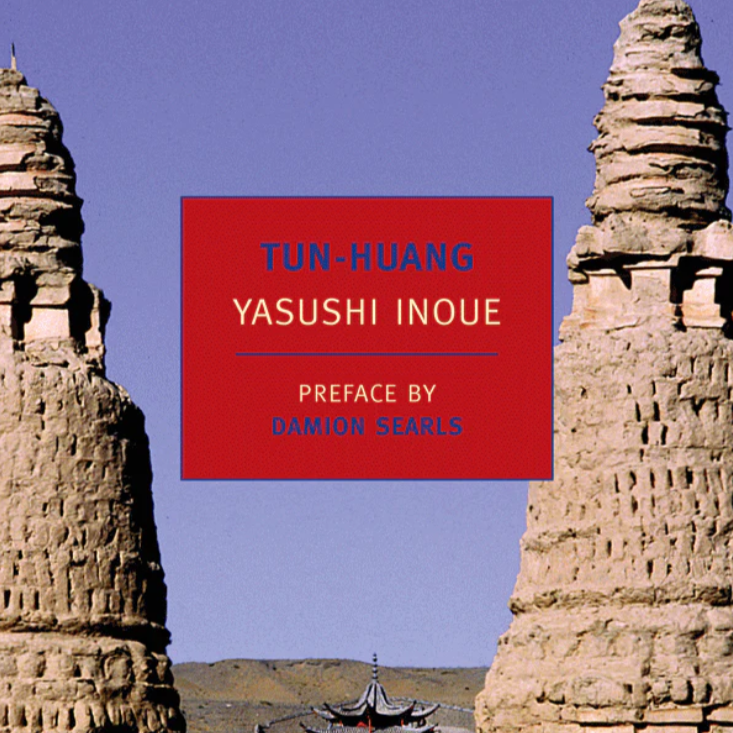
In this episode, Kassia and Dylan discuss the Japanese novel Tun-huang written by Yasushi Inoue and translated by Jean Oda Moy. This work of historical fiction imagines how a trove of early Buddhist sutras came to be hidden in caves along the Silk Road for centuries. We talk about the book’s criticism of education, bureaucracy, and materialism, as well as the significance of freedom, preservation, and translation.
Interested in supporting the show? Check out our Patreon page here: patreon.com/user?u=84429384
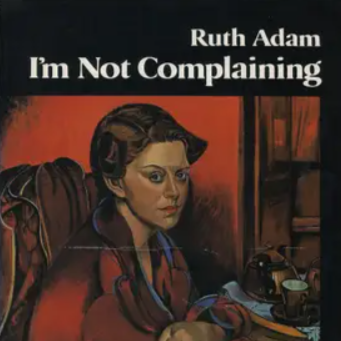
After mentioning the book in our Mary Olivier episode, writer and librarian Nancy Pearl returns to discuss Ruth Adam's I'm Not Complaining, one of...
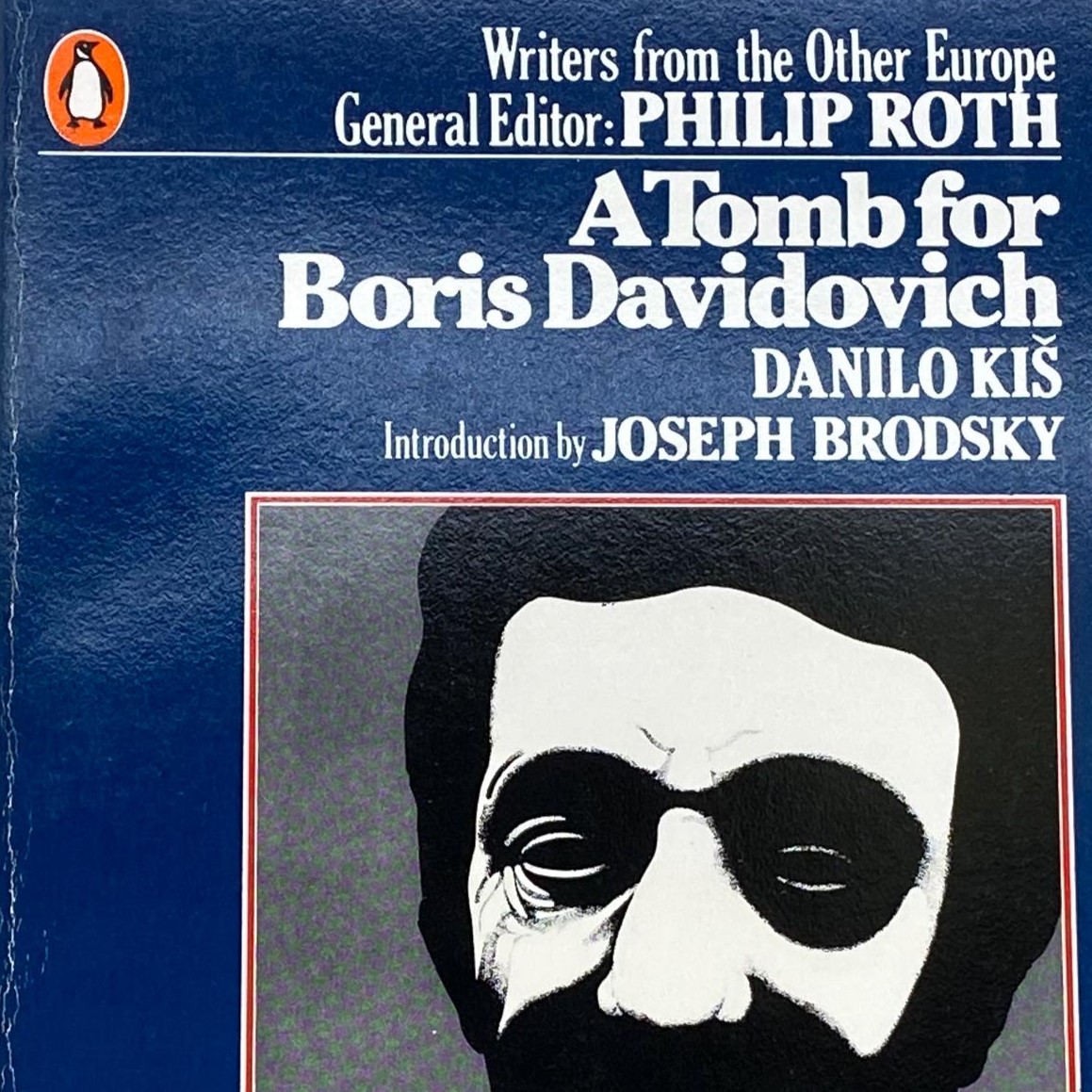
In this episode, we talk about A Tomb for Boris Davidovich by Danilo Kiš and Philip Roth's Writers from the Other Europe series from...
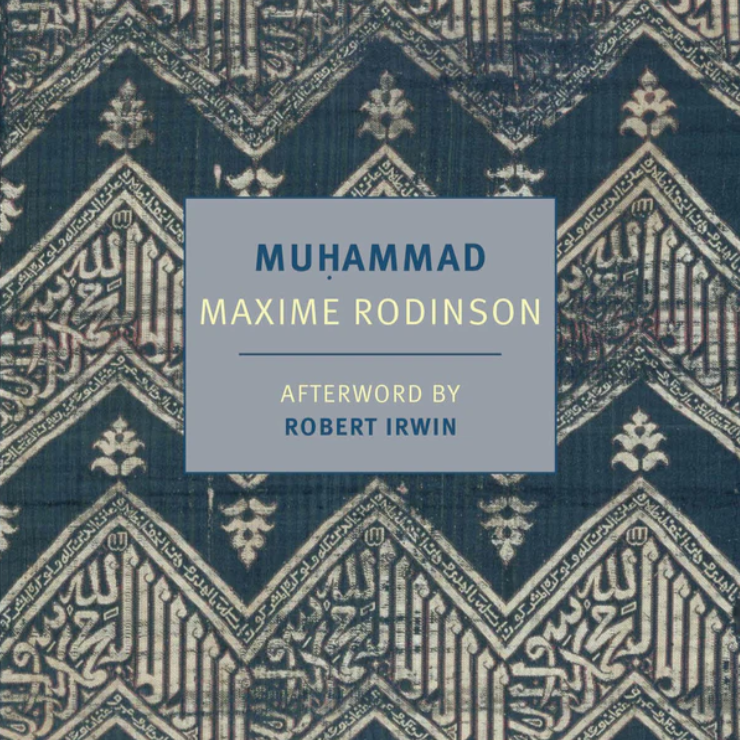
Writer and filmmaker Tariq Ali joins us to discuss Muhammad written by Maxime Rodinson and translated from French by Anne Carter. We talk about...